
Hardwood Floor Repair Chicago | What to repair

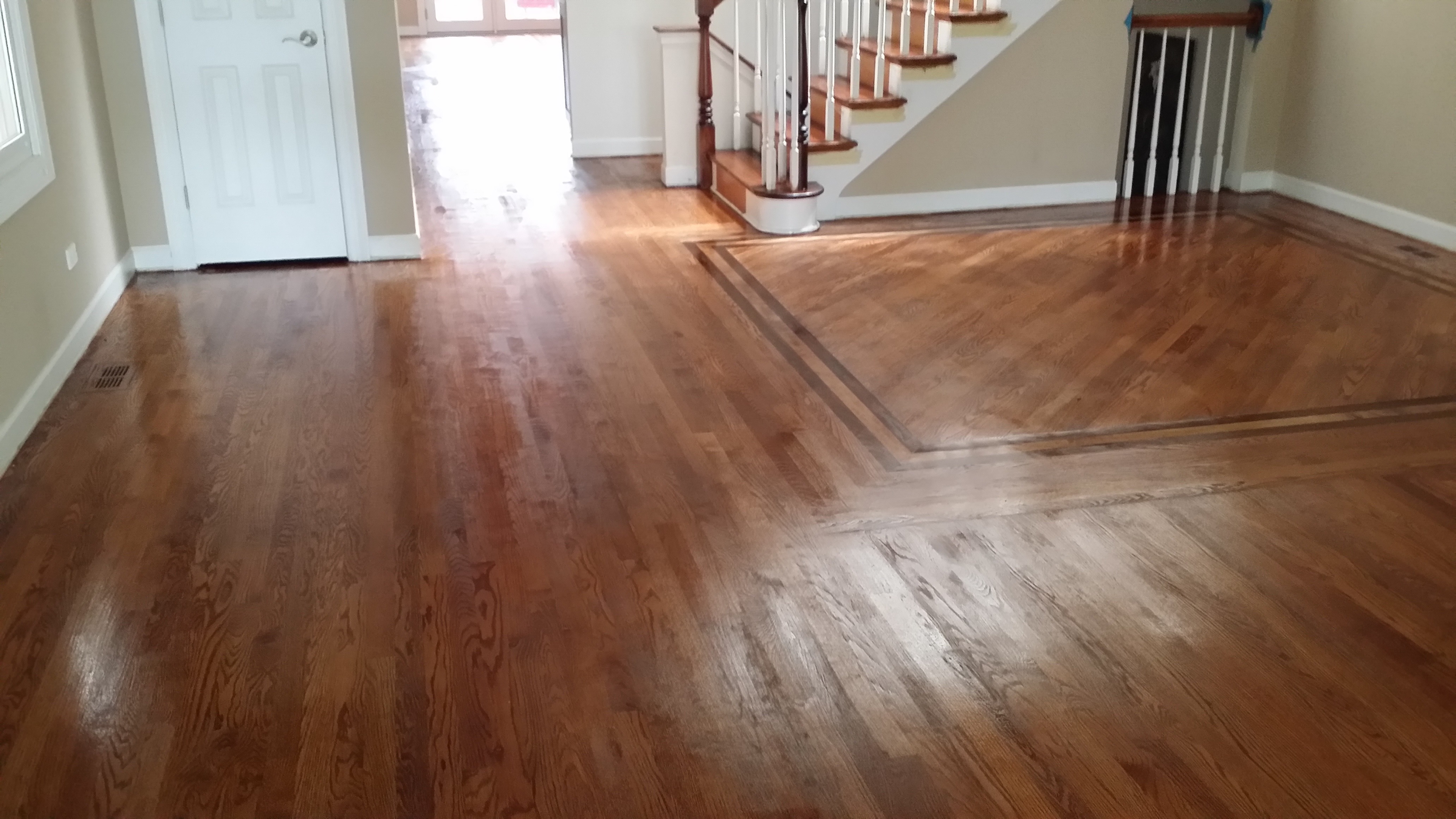
Hardwood Floor Repair in Chicago: What to Fix, What to Refinish, and When to Call a Pro
Hardwood floors can last for generations, but daily traffic, moisture, moving furniture, and Chicago's swing between humid summers and dry winter heat all take a toll over time. The good news: most damage falls into one of two buckets — a targeted repair, or a full refinish — and knowing which one your floor actually needs is the difference between a quick fix and wasted money. Here's how we walk homeowners through that decision on every job.
What to Repair First
Not all floor damage is equal. Loose boards, cupping, buckling, dark water stains, and soft spots should jump to the top of your list, because they tend to get worse — and more expensive — the longer they sit. Surface scratches and a dull finish are worth fixing too, but they're rarely urgent in the same way. The real question isn't just "how bad does it look," it's whether the damage is in the finish, in the wood itself, or in the subfloor underneath.
Repair vs. Refinishing: Two Different Fixes
Repair and refinishing solve different problems, and mixing them up is the most common mistake we see. Repair means fixing specific damage — replacing a board, securing a loose plank, treating a stain. Refinishing means restoring the whole surface through sanding and refinishing — stripping the old finish and applying a fresh stain and topcoat across the entire floor.
If the damage is isolated to a few boards, repair alone may be enough. If an entire room looks dull, uneven, or heavily scratched, refinishing usually gets you a better result. And sanding over a loose board won't secure it — the fix has to match the actual problem, which is why we inspect before we ever recommend a scope of work.
What Causes Hardwood Floor Damage in Chicago Homes
Chicago's seasonal swings are hard on wood floors. Cold, dry winters pull moisture out of boards and can open small gaps; humid summers do the opposite and can cause swelling or cupping. Add in tracked-in grit, furniture movement, pets, and an aging finish, and it's no surprise most homes in Chicago and the surrounding suburbs need some kind of floor attention every few years. Identifying the actual cause matters — filling a gap without addressing the humidity behind it, or replacing a stained board without fixing the leak that caused it, just delays the next repair.
When to Call a Professional
Some maintenance is genuinely fine to handle yourself — felt pads under furniture, a wood-safe cleaner, a touch-up marker for a light scuff. But cupping, buckling, deep black water stains, persistent squeaks, large gaps that don't close seasonally, or a finish that's peeling or cloudy are all signs it's time to bring in someone who does this daily. It's also worth calling in for water or moisture damage specifically — what looks like a surface stain can mean the moisture already reached the wood below.
Matching Stain, Sheen, and Finish
The hardest part of any repair is making the new work disappear into the old floor. Board age, sun exposure, and even how a floor was originally finished all affect how a new stain absorbs — the same can of stain can read differently on a newly installed board than on wood that's been down for ten years. This is why we always test custom stain samples against your existing floor before committing to a full room, and why sheen matters just as much as color: a satin patch next to a glossy floor will stand out even if the shade is a perfect match.
When Refinishing Is the Better Investment
Sometimes patching a few boards is only a temporary fix. If wear is spread across multiple rooms, if you're trying to blend several past repairs, or if you simply want to change your stain color, refinishing the whole floor usually gets you a cleaner, more consistent result than chasing individual spots. Our dustless sanding process captures up to 99% of the dust a traditional sander kicks up, which is a big part of why whole-room refinishing is a lot less disruptive than most homeowners expect.
Choosing the Right Team for the Job
The right contractor should inspect your floor before recommending a scope of work, explain what's realistic to fix versus what may remain slightly visible, and be upfront about whether repair, refinishing, or both is the smarter path. We've been doing exactly that for Chicago-area homeowners for 27+ years and 10,000+ completed projects — if you're not sure which category your floor falls into, that's a conversation worth having before any work starts.
Get a Second Opinion on Your Floors
Whether you're dealing with a handful of damaged boards or a floor that hasn't been refinished in a decade, the right first step is the same: a real inspection, not a guess. Request a free estimate and we'll tell you honestly whether your floor needs a repair, a refinish, or both.
FAQ — Choosing a Flooring Company in Chicago
Ask the contractor to provide a certificate of insurance (COI) naming you as an additional insured for the duration of the project. The COI should show both general liability and workers' compensation coverage. You can also call the insurer directly to verify the policy is active.
A flooring retailer primarily sells materials and may subcontract installation. A flooring contractor installs floors as their core business. For hardwood specifically, working with a dedicated installer — rather than a big-box store — typically means better craftsmanship and more accountability on the job.
Most standard residential projects take 2–5 days. Larger projects, those requiring subfloor work, or custom designs may take longer. A reliable contractor gives you a realistic timeline upfront. Learn more about what affects timeline in our guide to hardwood floor installation in Chicago.
Almost always, yes. The difference between a $7/sqft install and a $10/sqft install isn't just the materials — it's the craftsmanship, the proper subfloor prep, the quality of the finish, and the likelihood the floor still looks great in 20 years. Floors done wrong are expensive to fix. Floors done right are an investment that lasts a lifetime. See our full cost breakdown: Hardwood Floor Installation Cost in Chicago.
Need more help?
Reach out and we'll answer any question.